The Boutique Order Is Not a Trophy: A Wholesale Gut Check for Small Makers
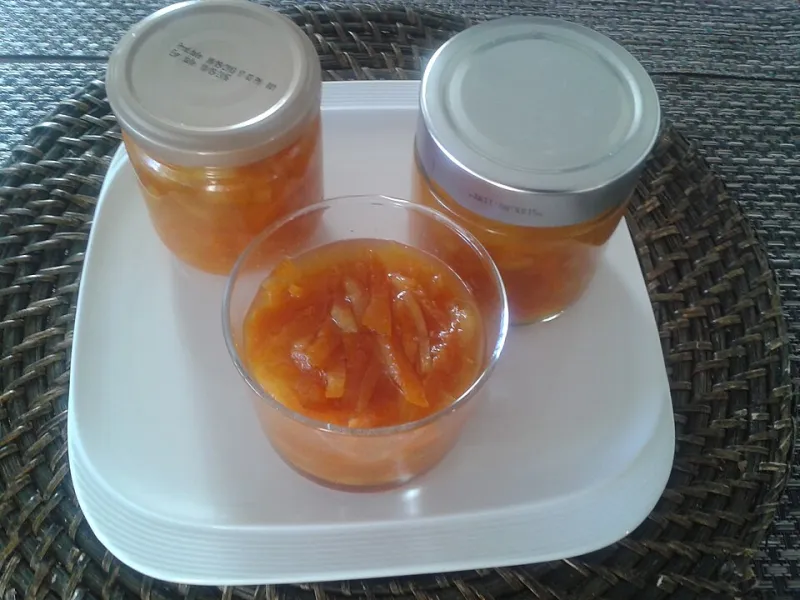
Photo: E4024, CC BY-SA 4.0, via Wikimedia Commons
The email usually arrives on a Tuesday. A boutique two towns over wants to carry your jam. They love the packaging. They have a customer who would love it. Can you send a wholesale line sheet?
It feels like a trophy. And it can be a good move. But wholesale is not just your retail business with a smaller price tag. It is a different machine. Before you say yes, run the numbers and the operational check. The boutique order may be a door opening. It may also be a second job you did not budget for.
Start with contribution margin, not revenue
Retail price is not profit. Wholesale price is not profit either. What matters is what is left after ingredients, packaging, labor, and delivery.
Here is a simple example. A jar sells for $12 at retail. Your fully loaded cost, including the jar, label, ingredients, and your time, is $4.20. At retail, you keep $7.80 before marketplace fees and shipping. A boutique asks for a wholesale price at 50% of retail, or $6. The wholesale margin is $1.80 per jar. If you add delivery and invoice time, it might be less.
That does not automatically mean no. It means the volume has to do real work. At $7.80 margin per retail jar, you need about four wholesale jars to equal one retail jar in gross profit. If you would have sold 24 jars direct this month, you need roughly 96 wholesale jars to match it. That is the first gut check.
Minimums protect your time
Small wholesale orders can be a trap. A boutique that wants six jars may take the same packing, invoicing, and delivery time as an order of 48. Set a minimum opening order and a case size. Put it in writing. A sample pack can be a separate offer if you want to build the relationship without losing a Saturday.
Decide your lead time, too. Made-to-order wholesale is not the same as picking jars off a shelf. If you need two weeks, say two weeks. Do not promise a restock date you cannot hit.
Labeling and compliance are not optional
Retail labels and wholesale labels are not always the same. Some shops want a UPC. Some want ingredient and allergen information formatted a certain way. Cottage food rules vary by state, and shelf-stable claims need to be accurate. Check with your state agriculture department or a local small-business resource before you promise a boutique that your labels are ready.
This is also a good time to check insurance and product liability. A boutique may ask for a certificate of insurance. If you do not have one, find out what it costs before the order becomes urgent.
Fulfillment is a second job
Wholesale adds tasks that direct sales do not: packing cases, sending invoices, tracking payment, handling damages, and scheduling delivery. If the boutique is on Net 30, you are financing their shelf space for a month. Add the admin time to your cost, or price it into the wholesale rate.
Ask how the boutique wants delivery. Will they pick up? Do you need to drive it? Who pays for shipping? What happens if a jar breaks in transit? A simple wholesale agreement can answer these questions before they become awkward.
You lose some of the story
When you sell direct, you own the customer relationship. You see the email address, the feedback, the reorder. When you sell wholesale, the boutique owns most of that. Your product is on their shelf, with their tag and their staff explaining it. That can be fine, but you need to decide how much story you are willing to hand over.
Put your maker story on the label and in the case. Include a small card the boutique can use. Keep your marketplace storefront active so buyers who find you through the shop can still find you directly.
The decision checklist
Before you say yes, answer these plainly:
- Does the wholesale price cover ingredients, packaging, labor, delivery, and payment fees?
- Can you produce the volume without shorting your direct customers?
- Do you meet the labeling and insurance requirements?
- Is the minimum order large enough to be worth the admin time?
- Can you live with the lead time and payment terms?
- Does the boutique align with your brand, or will your jar get lost between novelty socks and greeting cards?
- Will this order help you reach a new market, or just move product at a thinner margin?
If the answer is no on margin or capacity, pause. You can decline politely. You can offer a smaller sample pack. You can ask for a larger opening order. You can wait until your next production cycle.
Wholesale can be a strong addition to a regional seller's business. It can fill a slow month, introduce your product to a new town, and move volume you already know how to make. But it is not a trophy. It is a contract with your time. Run the math first, then decide whether the boutique order belongs in your storefront's future.