The One-Jar Wonder: Why Your Signature Product Beats Your Whole Catalog
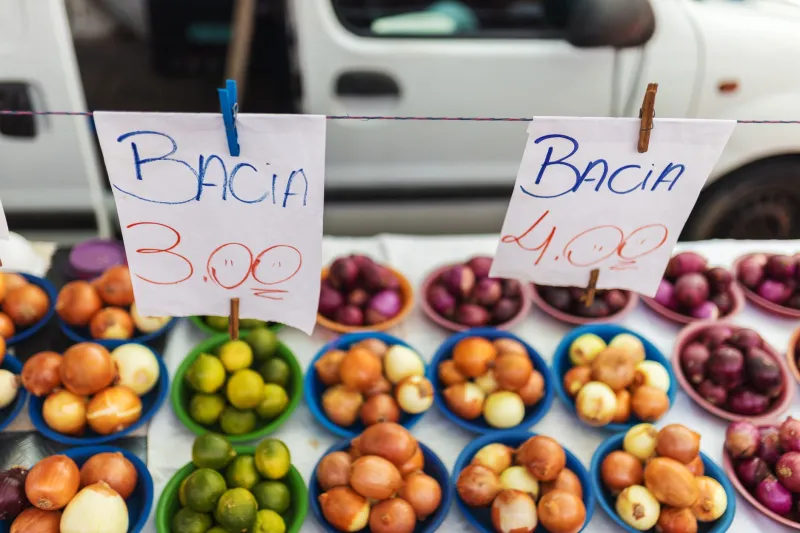
Think about the last farmers market you wandered through. You can't name the stall with two hundred products. You can name the one that sold one thing — the pickle guy, the honey couple, the woman whose cinnamon rolls caused a line by 9:15.
That's not an accident. It's the single most reliable pattern in regional selling: the sellers who last are known for one thing. And the sellers who struggle are usually the ones who kept adding.
Assortment Creep Is Real, and It's Quiet
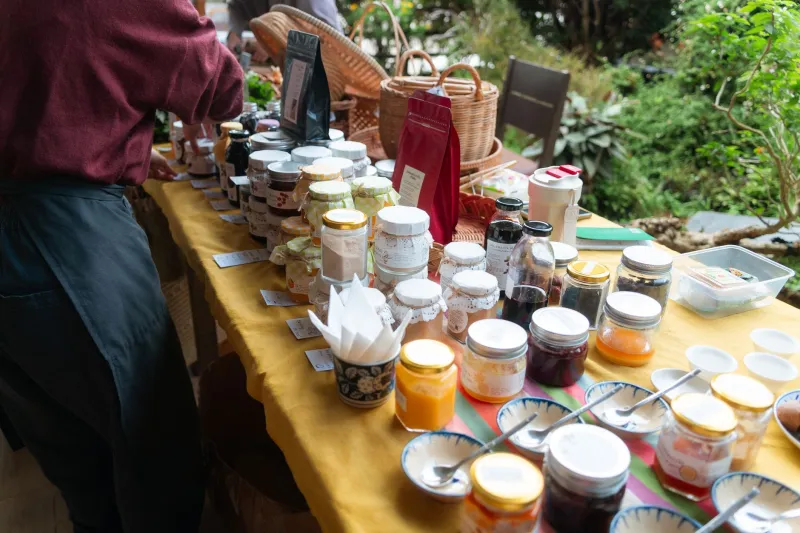
Nobody decides to become a sprawling, unfocused shop. It happens one request at a time. A buyer asks if you make a jalapeño version, so you make a jalapeño version. A wholesale account wants a mild option, a spicy option, a gift tin. Two years later you're managing forty SKUs, your Saturday prep takes three times as long, and when someone asks what you sell, your answer takes a minute and lands nowhere.
Here's what the sprawl costs you, line by line:
- Brand memory. Buyers don't remember shops. They remember products. "The place with the smoked sea salt caramels" is a brand. "The place with a lot of stuff" is not.
- Packing time. Every additional product is a separate label, a separate inventory count, a separate thing to forget at 6 a.m. before a market.
- Production focus. Time spent on your twelfth-best product is time stolen from your best one — the one that actually pays the rent.
- Decision fatigue for buyers. A wall of forty options doesn't feel generous. It feels like homework. Most buyers default to buying nothing rather than choosing wrong.
The Signature Product Does the Marketing For You
When you're known for one thing, everything gets easier. Word of mouth has a handle: "You have to try the —." Your booth sign writes itself. Your online listings cross-sell naturally, because someone who came for the signature item is primed to try the second thing, not overwhelmed by the fortieth.
And here's the part sellers resist: a narrow catalog isn't a limit on revenue. It's a funnel. The pickle guy doesn't sell less because he sells pickles. He sells more because everyone in three counties knows exactly where to go when they want pickles.
The Honest Counterargument
Now, the other side, because the absolutists are wrong too. There are real moments when expanding works:
- When the new product shares your production line. The jam maker adding a chutney uses the same kitchen, the same jars, the same skills. That's not sprawl; that's leverage.
- When demand is seasonal and your signature can't carry the off-months. If your whole business is tomato products, you need a winter. Just make the winter product feel intentional, not like filler.
- When a wholesale account's volume justifies the complexity. A real order at real margins can buy you into a second SKU.
The test isn't "is it a new product?" It's "does this strengthen what I'm known for, or dilute it?" The chutney sits next to the jam and deepens the story. The candle line you added because your cousin thought it'd be cute does not.
The Audit Nobody Wants to Run
Pull your sales data and be brave about it. In most sprawling catalogs, the top 20% of products drive 80% of revenue — and the bottom 40% barely covers their own packaging. Ask three questions about every product:
- Does it sell, or does it just exist?
- Does it take longer to make and pack than it's worth?
- If I described it to a stranger, would it make my shop sound more focused or less?
Anything that fails all three is a candidate for retirement. You don't have to kill it today. Just stop letting it eat your prep time.
The market rewards the memorable, not the comprehensive. Pick your one thing. Get so good at it that people do your marketing for you. Then — and only then — consider what belongs next to it.