Your Storefront Should Ripen: Let the Harvest Set Your Listing Calendar
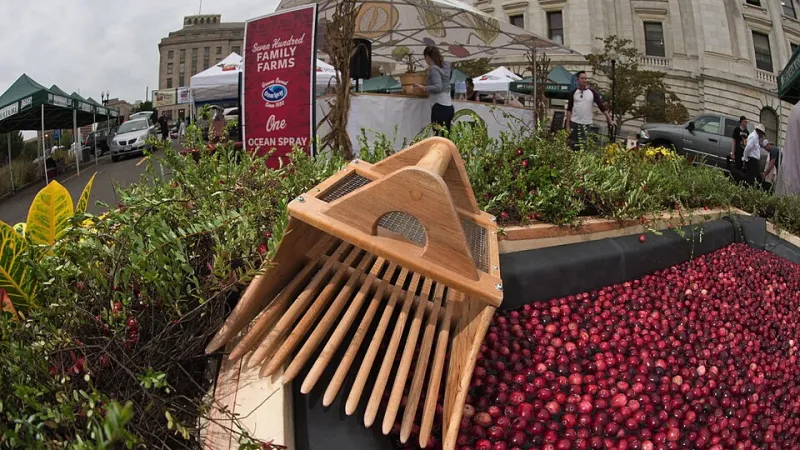
Photo: USDAgov, Public domain, via Wikimedia Commons
Most sellers treat a content calendar like a social media chore: a grid of posts, a few photos, maybe a reminder to send an email. But if you sell regional goods on a marketplace, your calendar has a bigger job. It should tell buyers what is actually happening in your area right now. A jar of strawberry jam in February is inventory. The same jar in June, when the strawberries are coming in, is a story. Same product. Different listing.
The trick is not to become a full-time publisher. The trick is to let the harvest and production calendar do the planning for you. When the peaches come in, the storefront should say peaches. When the wool comes off the sheep, the storefront should say wool. When the holiday shipping cutoff passes, the storefront should stop pretending every item is a last-minute gift.
Start with what you actually harvest, not what you wish you sold
Make a plain list of your products and the weeks they genuinely exist. For a jam maker, that might be strawberries in late spring, peaches in midsummer, apples in fall, and citrus in winter if you source from a warmer region. For a produce vendor, it is the farmers market calendar, not the grocery store calendar. For a craft vendor, it is production time: shearing season for wool, kiln schedules for pottery, storm-fallen wood for furniture, holiday demand for gift sets.
Use real local sources. Check your state extension service harvest chart, ask your farmers market manager, or keep a simple notebook of what shows up at the market each week. You do not need a perfect database. You need a working map of what is early, what is peak, and what is done.
Give every listing a season status
A marketplace listing should not be a binary on or off. Treat each product as moving through five states:
- Coming soon: a short listing or waitlist page that tells buyers what is next.
- Preorder: a fixed window with a clear ship or pickup date.
- In season: the main listing, with current photos and realistic inventory.
- Last call: a short window for the final batches or remaining stock.
- Archived: a cleanly closed listing, not a dead page that says sold out for six months.
This alone fixes the stale storefront problem. Buyers can see that your shop is alive, and they can plan around your schedule instead of guessing.
A simple monthly planning template
Use one page or one spreadsheet. The columns matter more than the tool.
| Month | What is happening locally | Marketplace move | Email or message |
|---|---|---|---|
| April | Asparagus, ramps, spring shearing | Open preorder for spring jam or wool items | The first batches are coming |
| July | Peaches, tomatoes, berries | Switch produce box to peak-season mix | Peach week is here |
| October | Apples, pumpkins, fall craft fairs | Bundle shelf-stable gifts and archive fresh produce | Last call for fresh boxes |
| December | Holiday shipping cutoffs, citrus, pantry goods | Push gift bundles and local pickup | What still ships this week |
Build the template around your own region. A Maine seller and an Arizona seller should not have the same October. That is the point. Regional goods come from regional timing.
Jam vendors: sell the batch, not the flavor forever
If you make jam, stop treating every flavor as a year-round SKU. A strawberry listing can open in May as a preorder, move to in season in June, and close in July. Put the batch date in the listing. Use photos from the actual fruit. Tell buyers when the next batch is likely, but do not promise a date you cannot hit.
This makes the marketplace feel like a farm stand instead of a warehouse. It also protects you from selling jam you have not made yet. When a flavor is out, archive the listing and replace it with a coming-soon page. Buyers understand seasons better than sellers sometimes think.
Produce vendors: let the box change with the week
For produce, the listing is the harvest estimate. Open preorders early in the week, close them before you pick, and set a realistic pickup or ship day. Use language like weather permitting and subject to harvest. If the tomatoes are slow, you can substitute and say so. A flexible box with clear communication beats a rigid listing that disappoints.
Keep a short note at the top of the listing: what is in the box this week, what is likely next week, and what is finishing up. That note does more for trust than a polished brand story.
Craft vendors: map production time, not just ingredients
Craft sellers often have a longer lead time than food sellers. If a wool item takes three weeks after shearing, the listing should say that. If pottery needs a kiln firing, the preorder window should reflect it. Holiday gift sets should appear in October, not December 15. A craft listing that says made to order without a date is a buyer trust leak.
Keep it timely without scrambling
You do not need a new campaign every week. You need a repeatable rhythm: check the calendar on the first of the month, update three to five listings, send one email, and archive what is done. Set a ten-day buffer before any promised ship date. Use the same photo setup each time so the work stays small. And write the listing for the season, not for the algorithm.
A storefront that ripens with the region is easier to run than one that pretends everything is always available. Let the harvest set the calendar. You will spend less time inventing content and more time selling what is actually good right now.