A Piece of Here: Selling Regional Goods to Visitors Without Going Full Tourist Trap
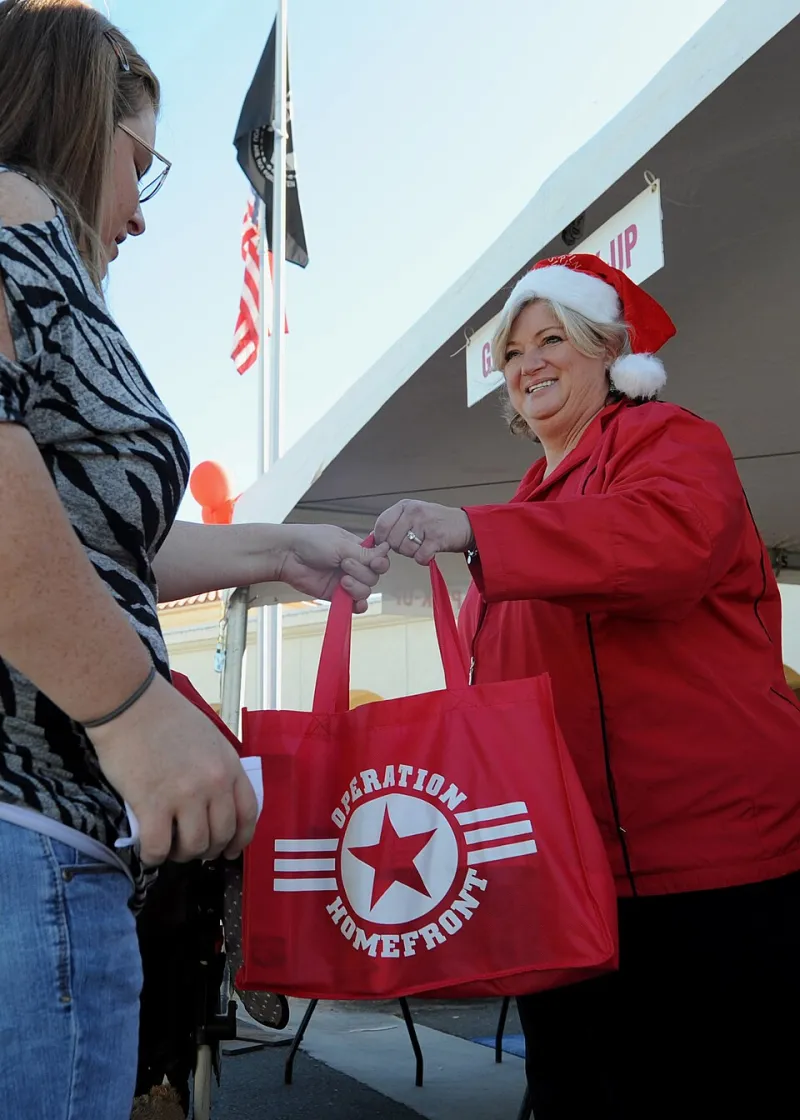
Photo: U.S. Navy photo by Mass Communication Specialist 3rd Class Laurie Dexter, Public domain, via Wikimedia Commons
Every regional seller has met the souvenir buyer. They are at the market on a Saturday, they are leaving tomorrow, and they want something to bring back. Maybe it is a jar of jam for the neighbor who fed the cat. Maybe it is a candle for the friend who used to live here. Maybe it is a small gift for themselves because the weekend felt good.
It is easy to treat that buyer as an afterthought or, worse, as a reason to slap a state silhouette on everything. But the souvenir buyer is not asking for a trinket. They are asking for a piece of here. Your job is to give them one without turning your brand into a gift shop on a boardwalk.
Know which kind of out-of-towner you have
There are at least three buyers under the souvenir umbrella, and they need different language.
The visitor is in town for a few days. They want something portable, sturdy, and clearly local. Say where it was made, how to pack it, and whether it can ship home if the suitcase is already full.
The transplant is not a tourist. They used to live here, or their family did. They want the taste or texture they remember. For them, the story is not novelty. It is memory. A peach jam from a nearby orchard can mean more than a generic local gift set.
The gift-giver may never visit at all. They want to send a piece of the region to someone else. For them, the listing needs to explain the place in a few sentences and make shipping feel easy.
Packaging that survives a suitcase
A souvenir is only a souvenir if it makes it home. That means packaging deserves more thought than a sticker with a slogan.
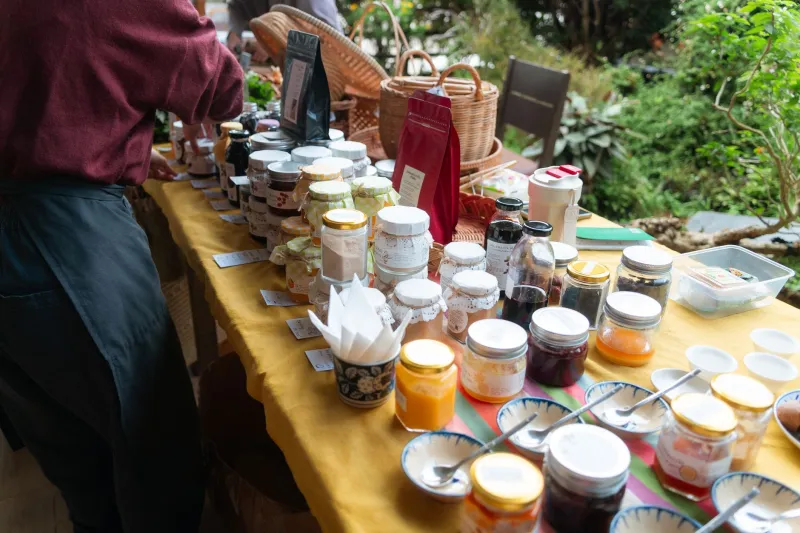
Use containers that can take a little pressure. Choose resealable bags for dry goods. Wrap glass well. Offer small sizes for carry-on friendliness, but do not promise TSA approval unless you actually know the rules for that product. Put the maker name, town, and batch date on the label. A buyer who carries your jar across three states should be able to look at it later and remember exactly where it came from.
For craft vendors, packaging may be the difference between a purchase and a pass. A ceramic mug with a simple kraft box and a card that says who made it and where feels like a gift. The same mug in a plastic bag with a generic tag feels like a stall purchase.
Tell the origin story without a history lecture
Buyers want provenance, not a term paper. Three sentences will do: where the ingredients or materials came from, who made the product, and why it matters to the region. Keep it concrete. Grown in the next county is stronger than locally sourced. Made in a small kitchen in a named town is stronger than handmade. Picked this week is stronger than fresh.
Avoid the word authentic unless you can back it up with a place and a process. Authentic has been worn thin by big-box labels. A buyer who is standing in your region wants specifics, not a slogan.
Bundle for the trip home, not for your inventory
A good souvenir bundle is designed for the person who has limited space and a vague idea of what to buy. Small jars. A few postcard-sized recipe cards. A shelf-stable snack. A single beautiful craft item rather than a pile of filler.
Create bundles that map to real trips. A weekend in the mountains bundle. A pantry sampler from the coast. A gift box for someone who misses home. Keep the prices clear and the contents obvious. If the bundle can ship, say so on the listing. If it is pickup-only, say that too.
Shipping language that makes it feel worth carrying
When a buyer orders from out of town, the shipping note is part of the product. Say where it ships from. Say who packs it. Say how long it usually takes. If you use a marketplace storefront, use the listing to explain that the order is coming from a small regional seller, not a warehouse.
A line like packed by the maker in a small kitchen in [town] does more than a generic satisfaction guarantee. It tells the buyer they are not just buying a jar. They are buying a connection to a place.
Keep the welcome mat out after they leave
A souvenir purchase should not be the end. Put a small card in the package with storage tips and a link to your marketplace shop. Send one follow-up email with a recipe or a note about the next season. The visitor goes home, but they can become a remote regular.
That is the real opportunity. You are not trying to turn your brand into tourist kitsch. You are trying to make a product that carries a place well enough that people want more of it after the trip is over.