Your Neighbor Isn't Your Competitor: The Quiet Economy of Vendor Trading
Photo: Grendelkhan, CC BY-SA 4.0, via Wikimedia Commons
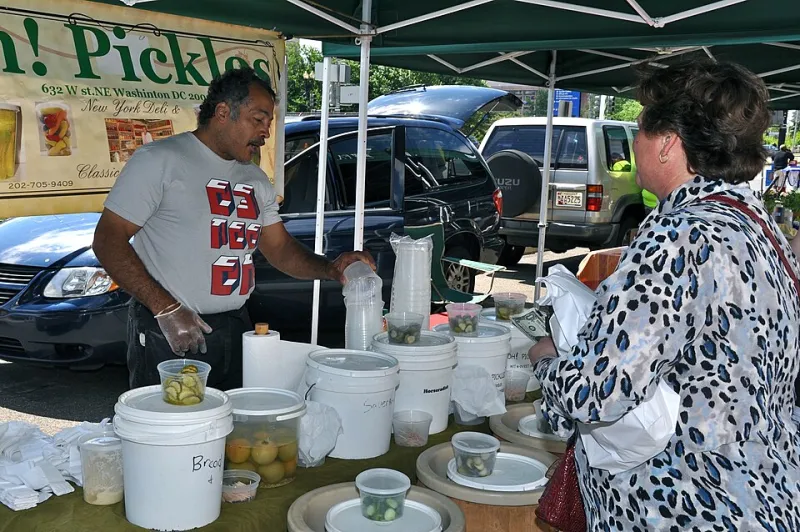
Walk the aisles of almost any farmers market or craft fair on a Saturday morning and you'll spot it if you know where to look: the candle maker handing a jar of something across to the jam lady, the potter lugging a folding table over to the soap couple's tent. No money changes hands. Nobody posts about it. But underneath the surface of nearly every regional market in America, there's a second economy running — one built on trades, shared booths, and cross-promotion between people who are, on paper, competitors.
At East Marketplace, we spend a lot of time talking about how sellers compete: pricing, photos, product descriptions. But the sellers who last longest usually aren't the ones fighting hardest for the same dollar. They're the ones who've figured out that the person in the next booth is an asset, not a threat.
Why Barter Beats Cash at the Market Level
The logic is simple. Most regional sellers are sole operators making physical goods with real material costs. Trading product costs you wholesale value, not retail — and you get something back you'd otherwise have to buy anyway. A candle maker who trades two candles for a jar of peach preserves has spent maybe six dollars in wax and wicks and received a gift for a relative, a hostess present, or a prop for her next product shoot.
But the trades that matter most usually aren't product-for-product. They're labor and logistics:
- Booth-sitting. You watch her table during her bathroom break; she watches yours. Over an eight-hour market day, that's an hour of selling time each of you would otherwise lose.
- Load-in help. The potter with the truck partners with the soap couple with the canopy. One vehicle, one trip, two vendors set up by 7 a.m.
- Referrals. "She's not my customer today, but she's yours." A buyer looking for gluten-free baked goods at a candle stall is a warm lead handed over for free.
What the Sellers Actually Say
We talked to vendors at mid-size markets in Pennsylvania, North Carolina, and Vermont, and the same themes kept surfacing.
"I don't compete with the jam lady," one candle maker told us. "We don't sell the same thing. We sell to the same person." That distinction does a lot of work. Regional sellers usually share a buyer — someone who values handmade, local, and story-rich goods — without overlapping on product. That makes cooperation nearly free.
A Vermont potter who shares a 10x10 tent with a soap maker put it in dollars: "Half a booth fee, half the canopy cost, half the early-morning setup. My margin on a market day went up maybe fifteen percent the month we teamed up, and I didn't change a single price."
The cross-promotion effect is real too. Shoppers who stop for soap linger for pottery. You inherit each other's foot traffic.
Structuring a Trade So Nobody Resents It
The barter economy runs on goodwill, and goodwill runs out fast when a trade feels lopsided. A few ground rules that keep partnerships alive:
- Trade at wholesale, not retail. If your candle retails at $18 and costs you $6 to make, a two-for-two trade with a $18 jar of jam should feel fair to both of you — because it is. Never trade on retail value unless you're doing it deliberately as a gift.
- Put booth-sharing in writing. Even a text message confirming who pays what, who brings the table, and who handles the market application prevents ninety percent of the fights we hear about.
- Rotate the inconvenient jobs. If one of you always handles the cash box or the early setup, resentment compounds. Trade off weekly.
- Keep the books clean. Bartered product is still product. Track it at cost so your inventory and your taxes don't turn into a mess in March.
Sharing a Booth Without Blurring Your Brand
The biggest worry sellers raise about teaming up is brand confusion: if we share a tent, do we look like one business? Usually, no — as long as you keep the visual separation.
The vendors who do this well treat a shared booth like a shared apartment: common areas are neutral, but everyone's room is their own. Each seller gets their own table, their own signage, their own payment setup. A simple A-frame sign or a table runner in your brand colors does the separating. Shoppers understand "two makers, one tent" instantly — it reads as a curated mini-market, which is often more appealing than a single-vendor booth.
What you want to avoid is combined branding: shared business cards, a joint Instagram handle, or pricing that references your partner's products. Those are the moves that create confusion later, especially if the partnership ends or one of you starts selling online under your own name.
Cross-Promotion That Actually Moves Product
Beyond the booth, the best vendor partnerships extend online. A few formats that work:
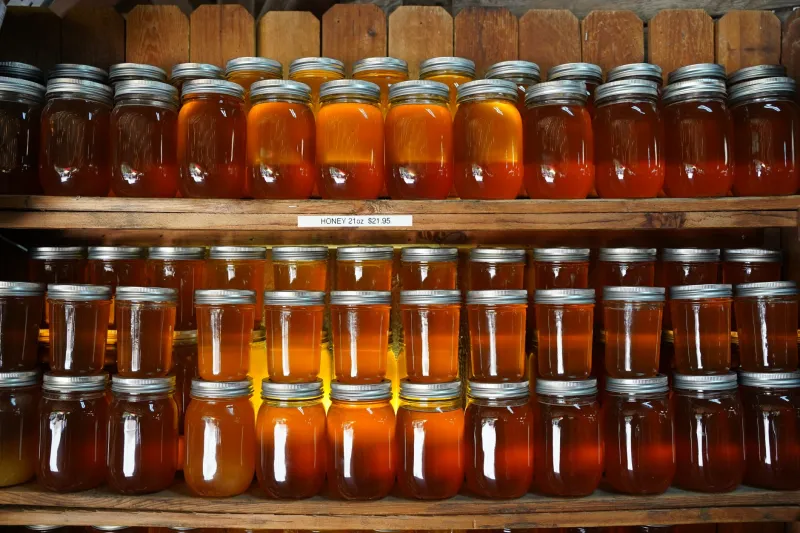
- Bundle mentions, not bundles. "Pairs great with the honey from Blue Hill Apiary at the Saturday market" costs you nothing and sends a friend a customer.
- Shared giveaway, separate lists. Team up on a prize basket, but each of you collects your own email signups. You both grow your list; neither of you hands over your audience.
- Guest posts and takeovers. A short "meet my market neighbor" feature on your socials is easy content and strengthens the relationship both ways.
Start Small, Start This Week
If you're selling solo and doing everything yourself, the idea of a partnership can feel like one more task. It doesn't have to be. This week, introduce yourself to the two vendors whose booths border yours. Next week, offer to watch a table during a break. The trades tend to snowball from there on their own.
The regional goods economy runs on relationships — with buyers, yes, but just as much with the people selling beside you. The sellers who treat Saturday morning as a solo hustle burn out. The ones who treat it as a small, cooperative town tend to still be there in year five, with a better booth, lower costs, and a lot more friends.