Two Jars of Honey, One Shelf: What Happens When Your Category Gets a Second Seller
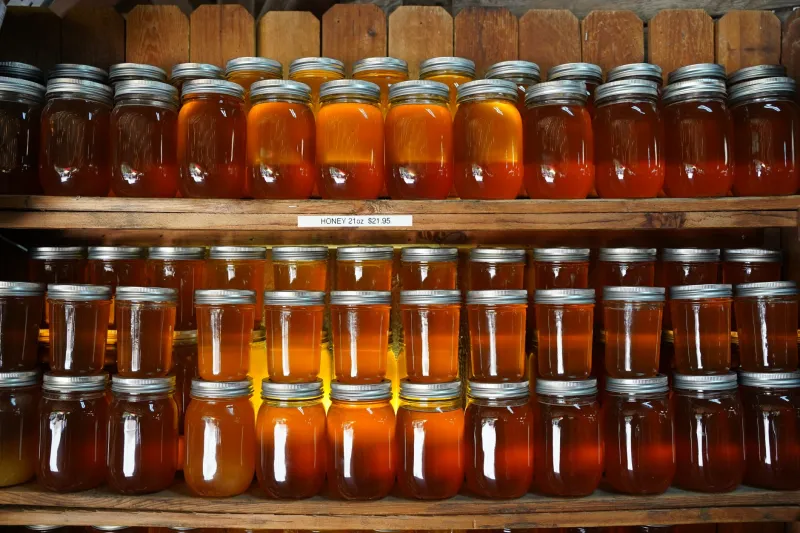
For a while, you had the honey category all to yourself. Your sourwood honey from the Appalachian foothills sat alone on the East Marketplace shelf, and every buyer searching for local honey found exactly one option: yours.
Then one Tuesday, a notification. A new seller — wildflower honey, harvested two counties over, priced two dollars cheaper. Your stomach does the thing it does when a new vendor sets up the tent directly across the aisle.
Take a breath. This moment, uncomfortable as it is, might be the best thing that's happened to your shop.
One Seller Is a Hobby. Two Is a Market.
There's an old truth in retail: a category with a single seller isn't really a category — it's a listing. Buyers don't comparison-shop because there's nothing to compare. That feels great until you realize it also means nobody's choosing you. They're just accepting you.
A second vendor changes the math. Now buyers make decisions. They read descriptions more carefully. They notice what you say about your process, your bees, your harvest calendar. Competition forces clarity, and clarity sells — for both of you.
We've watched categories on this marketplace come alive after a second seller arrived. Page views went up for everyone. The pie got bigger; the slices got contested.
What to Do Before You Touch Your Prices
The panic move is dropping your price by a dollar and hoping for the best. Resist it. Before you change a single number, do this instead:
Read their listing like a buyer would. What do they lead with? What's missing? If their description is two sentences and yours walks a buyer through the harvest, the flavor notes, and how the honey pairs with a sharp cheddar — you're not competing on price. You're competing on story.
Figure out what you're actually selling. Are you selling honey, or are you selling honey from hives your grandfather started in 1987? The second one has no direct competitor.
Check your costs honestly. If the other seller is priced below your break-even, that's not a price war — that's you learning your own floor. Match their race to the bottom and you both lose. Let them win the bargain hunters and win everyone else on value.
Differentiate or Get Eclipsed
Two sellers of the same regional good can coexist happily on one platform, but not as clones. The sellers who thrive after a competitor arrives tend to do a few specific things:
- Name the difference. Wildflower versus sourwood isn't a flaw in either listing — it's the whole point. Lean into terroir the way winemakers do.
- Show the work. Photos of the apiary, the tapping bucket, the kiln. Buyers choosing between two similar products choose the one they feel they know.
- Bundle and specialize. If they sell single jars, you sell the gift trio. If they sell raw honey, you sell the creamed variety nobody else bothers with.
- Respond faster. In a two-horse race, the seller who answers questions within hours beats the one who answers within days, every time.
A Note for Marketplace Operators: Don't Play Favorites
If you run a marketplace, the second vendor in a category is your problem too. Handle it badly and you lose one seller — or both.
The cardinal sin is quiet curation: nudging one vendor's listings to the top and letting the other rot on page two. Sellers notice. They always notice. If you feature, feature on a rotation. If you badge a "bestseller," make the criteria public.
The better play is to frame the overlap as abundance. "Two honey farms, one state" is a selling point, not a redundancy. Buyers trust a category more when there's choice in it — a single lonely listing reads as a ghost town.
And when both sellers eventually email you asking why the other one is getting more sales (they will), your answer is the same for both: different products, different stories, different buyers. Your job is the shelf, not the scoreboard.
The Long Game
Here's what usually happens six months after the second vendor shows up: both sellers are selling more than they were alone. The category has search traffic it never had before. Buyers who came for cheap honey leave with a jar of yours because your description made them curious.
Competition on a marketplace isn't a threat to your business. It's proof there's a business to compete for.
So when that notification pops up — new seller, your category, lower prices — pour yourself a cup of coffee, open their listing, and start taking notes. The hobby phase is over. You're a business now, and businesses get better when somebody's keeping score.