The Slow Season Is Your Loading Dock: What Sellers Should Do Between November and March

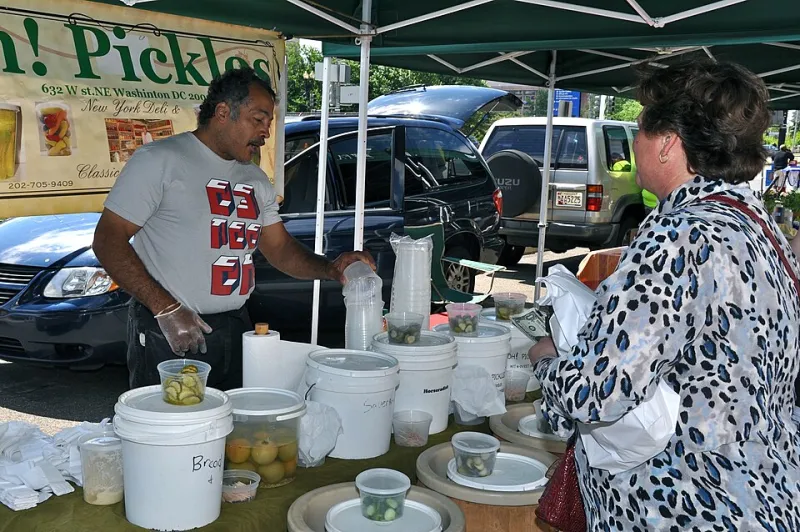
Photo: PAUL FARMER , CC BY-SA 2.0, via Wikimedia Commons
Ask most regional sellers what happens after the holidays and you'll get a shrug. Markets wind down, orders slow to a trickle, and the temptation is to treat December through February as a write-off — rest, hibernate, repeat in spring.
That's a mistake. The slow season is the only time of year you can work on the business instead of in it. Nobody's waiting on a shipment. Nobody's standing at your booth comparing labels. You have four months of runway with essentially zero sales pressure, and the sellers who use it well show up in April looking like a different operation entirely.
Here's how to run it, month by month.
November: Close the Books While It's Fresh
Before the details fade, sit down with the year's numbers. Which products earned their shelf space and which just took it up? Pull your marketplace analytics, market day tally sheets, and any wholesale invoices, and rank everything by actual profit — not revenue, not units, profit.
This is also the month to thank your best customers. A short email or handwritten note to repeat buyers costs almost nothing and sets up the winter relationship. You're not selling them anything yet. You're reminding them you exist.
December: Renegotiate Everything
Suppliers are quiet in December too, which makes it the best possible time to talk money. That glass jar supplier, the co-packer, the apiary you buy beeswax from — ask about volume pricing for the coming year, or better terms on your usual order.
Even a 5% reduction in your input costs flows straight to your margin, and you didn't have to raise a single price to get it. If a supplier won't budge, at least get a second quote. Competition works in your favor when you're the buyer.
January: Reformulate, Retest, Rebuild
January is your R&D month. The product that sold okay but always felt second-best? Fix it. Shrink the ingredient list. Try a new scent, a new spice blend, a new size. Run small batches and hand them to friends, neighbors, and that one brutally honest regular.
This is also the time to test a genuinely new category — something adjacent to what you already make. The candle seller can prototype room sprays. The jam maker can try a savory chutney line. If it flops in January, you've lost a weekend and a few dollars, not a season.
February: Reshoot Your Listings
Every seller has photos they took in a hurry. You know which ones. Winter light through a kitchen window is often better than the harsh midsummer sun that washed out your labels anyway.
Go through your marketplace listings one at a time and reread them as a buyer would. Are dimensions listed? Shipping costs clear? Ingredients and care instructions up to date? Rewrite the descriptions that answer questions before they're asked, and reshoot anything older than a year. Fresh photos alone can lift a listing's click-through noticeably.
March: Line Up the Season
By March, application deadlines for spring markets and festival circuits are closing fast. Lock in your dates, order packaging and labels in bulk, and map out your production calendar against the events you've committed to.
Then do a dry run of your fulfillment process. Pack a fake order, print a fake label, walk it to the post office. Whatever friction you find in March is friction your customers won't hit in April.
The Payoff
The sellers who treat winter as an off-season show up in spring with the same products, the same photos, and the same costs as last year. The ones who treat it as a loading dock — a place to load up on improvements before the season starts — arrive with better margins, sharper listings, and at least one new product that gives regulars a reason to look twice.
Four months is plenty. Don't waste the quiet.