The Jam Travels Fine. The Jelly Roll Doesn't: A Seller's Guide to Shipping Regional Food.
Every marketplace seller eventually faces the same question: someone across the country wants your product — can you actually get it to them?
If you sell food, that answer is more complicated than it looks. A jar of blackberry jam from Tennessee can cross five state lines without complaint. A cream-filled pastry from the same kitchen cannot. Knowing the difference before you list is the difference between a five-star review and a very expensive refund.
Start With What Ships: The Shelf-Stable Winners
The good news is that most of what makes regional food special falls into the "ships beautifully" column.
Jams, jellies, and preserves. Properly jarred and sealed, these tolerate heat, cold, and rough handling. Glass is the weak point — more on packaging in a minute.
Spice blends and dry rubs. Lightweight, durable, and shelf-stable for a year or more. If you're shipping from, say, a Louisiana kitchen, a Cajun seasoning blend is about the most forgiving product you can list.
Cured and smoked shelf-stable goods. Think jerky, dry-cured salamis that don't require refrigeration, and smoked seasoning salts. Anything that requires refrigeration to be safe is a different conversation entirely.
Syrups, honey, and molasses. Sorghum from Appalachia, wildflower honey from wherever the bees actually live — these are dense, stable, and beloved by buyers hunting for regional flavor. Just double-check your caps, because a leak in transit is a customer service headache.
Baked goods that don't spoil fast. Certain cookies, brittle, and shelf-stable breads travel well if you're honest about the ship window. Soft yeast breads and anything with perishable fillings do not.
What Doesn't Belong in a Mail Truck
The short list: anything fresh, anything refrigerated, anything that will arrive looking (or smelling) nothing like the photos.
Fresh produce, cream-based items, custards, fresh pasta, and most soft baked goods are out unless you're investing in cold-chain shipping — which, for most small merchants, costs more than the product is worth. Egg-based items are a particularly common trap; a homemade egg noodle seems dry and harmless until you read your state's rules on selling egg products across state lines.
The other category to avoid: anything fragile that food inspectors would also flag. A delicate hand-pulled candy might survive the trip, but if it arrives as a fused brick, you've paid for shipping and a bad review.
The Regulatory Layer Nobody Warns You About
Here's where a lot of otherwise-great regional food sellers stall out. In the US, food regulation is a patchwork.
Cottage food laws — the rules that let you sell home-produced food — are set state by state. Some states are generous and allow direct online sales in-state. Others limit cottage food to in-person transactions only, which means no marketplace listings at all until you upgrade to a licensed commercial kitchen. Check your state's agriculture department website before you list anything. It's tedious, but it's the single most important hour you'll spend.
Shipping across state lines raises the bar further. Interstate sales generally fall under federal FDA rules, and many states restrict which out-of-state foods can come in. A jar of salsa that's perfectly legal to sell at your own farmers market may not be legal to mail to a neighboring state. When in doubt, call your state's food safety office — most are genuinely helpful with small producers.
Labeling matters more online than in person. Include your business name, ingredients, allergen declarations, and net weight on the label or clearly in the listing. Allergen labeling (milk, eggs, wheat, soy, nuts, and the rest of the big nine) isn't optional.
Packaging: Cheap Insurance You'll Never Regret
A $3 jar of jam that arrives shattered costs you the product, the jar, the shipping, and the customer. Budget for packaging like it's part of your COGS, because it is.
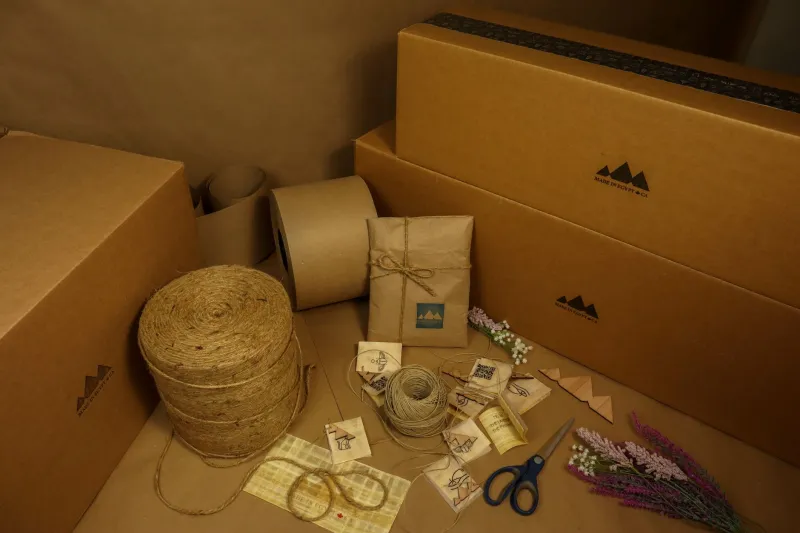
- Cushion everything individually. Bubble wrap, air pillows, or crumpled kraft paper around each jar.
- The shake test. Pack a box, shake it hard, and imagine it dropped shoulder-height. If you hear glass on glass, add more.
- Double-box fragile items or use molded pulp inserts once your volume justifies it.
- Seal liquids. A strip of tape over the lid plus a bag around the jar contains the inevitable leak.
Pricing Shipping Without Eating Your Margins
This is where regional food sellers quietly bleed out. The fix is math, not luck.
First, weigh your packed product — box, cushioning, everything — not the product alone. Carriers charge by weight and zone, and the difference between a packed weight of 1.9 lbs and 2.1 lbs can be a dollar or more per order.
Second, check your shipping zones. If you're in Vermont and most of your buyers are on the West Coast, flat-rate boxes or a flat shipping fee with a built-in cushion might beat calculated rates. Many small merchants do well with a simple "$9 flat shipping, free over $50" structure — it's predictable for buyers and covers your average cost.
Third, buy postage through your marketplace or a commercial rate provider. Retail counter rates can run 10–20% higher than what you'll pay online.
A Quick Pre-Launch Checklist
Before your first food listing goes live:
- Confirm your state's cottage food rules cover online sales.
- Verify the product is genuinely shelf-stable at shipping temperatures.
- Add compliant labels with allergens and net weight.
- Build a shipping cost into your pricing — don't absorb it.
- Ship yourself one order. Open it like a customer would.
That last step sounds silly until you do it. The first time you unpack your own jam and find the jar intact, the label legible, and the product smelling like it should — you'll know you're ready to sell it to a stranger in Ohio.