They Bought a Candle on Saturday. Here's How to Sell Them Another One in March.
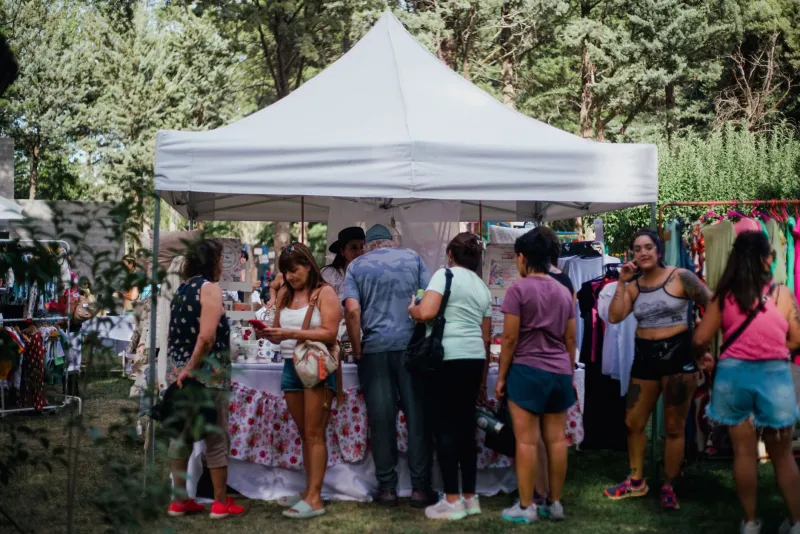
Here's an uncomfortable number to sit with: the average craft fair vendor does the hard part — getting a stranger to stop, browse, and pull out their wallet — and then throws away the relationship by Sunday night.
You worked the booth. You made the small talk. You wrapped the purchase in tissue paper and said "thanks so much, have a great day." And then that customer, who genuinely liked your work enough to spend money on it, disappeared from your life forever. Not because they wanted to. Because you gave them no way back.
The fix isn't complicated, and none of it requires you to become a marketing guru. It requires treating every in-person sale as the start of something instead of the end of it.
1. Put a QR Code Where Their Eyes Already Are
Your booth signage probably says your business name and maybe "find us online." That's a suggestion. A QR code on your table banner, your price tags, or even a small acrylic stand is an action. One scan and they're on your marketplace storefront. Skip the link-in-bio detour — every extra tap loses half the people. Test the code yourself on both iPhone and Android before the fair, because a dead QR code at your booth is worse than no QR code at all.
2. Hand Out Postcards That Are Actually Coupons
Business cards go in pockets and die there. A postcard with a real offer — "15% off your next order at [yourstore].com, code BOOTH15, good through December" — has a job to do. It has a deadline, a discount, and a destination. Print them cheap, keep a stack at the register, and tuck one into every bag. The expiration date matters more than you'd think; urgency converts wanderers into buyers.
3. Capture Emails at Checkout, Not Afterward
The moment of purchase is the single best moment to ask for an email, because the customer is already happy and already holding your product. A simple sign-up sheet on a clipboard works, but a tablet with a quick form is faster. Don't overthink the ask: "Want first dibs on new pieces and a discount on your next order?" gets a yes far more often than "Join our mailing list." Then actually email them — a note once a month with new work and one offer is plenty.
4. Stamp the Packaging With Your Storefront
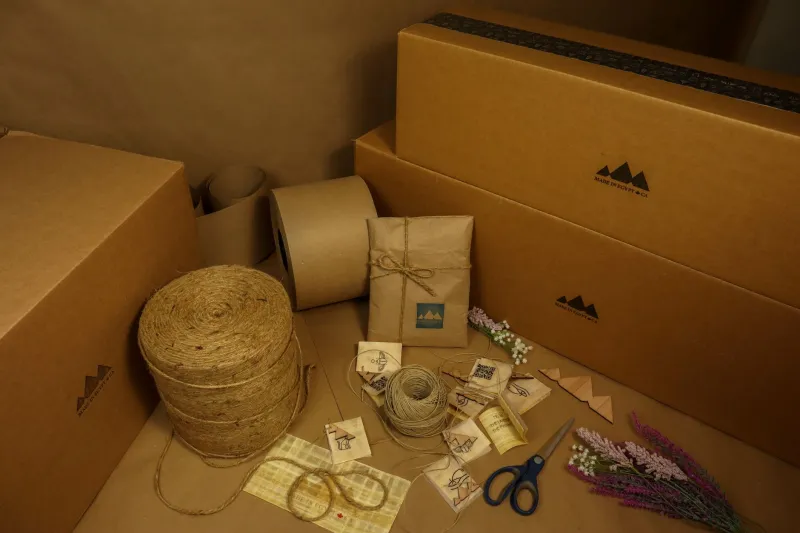
Every bag, box, and tissue sticker is advertising the customer carries home. Put your marketplace URL on it — stamped, stickered, or printed. The customer will unpack your product on their kitchen counter in front of other people. Make sure the next question ("where did you get that?") has an answer they can act on.
5. Follow Up Within 48 Hours While They Still Remember You
If you captured emails, send a short thank-you within two days: their name, a genuine note, a photo of the product they bought, and a link to your shop. This isn't a newsletter — it's a one-to-one message, and it takes ten minutes even after a busy fair. A surprising number of buyers will reply, share it, or head straight back to browse. The half-life of a fair memory is about a week. Beat it.
6. Sell the Seasons You're Not At
Fairs are seasonal. Your customers' gift-giving isn't. Between events, use your email list and social accounts to flag the moments that drive online purchases: Mother's Day, teacher gifts in May, the holiday shipping cutoff you'll absolutely be posting about in November. Your booth customers already trust your work — they just need a reason and a reminder to come back when there's no tent overhead.
7. Ask Your Best Buyers to Do Your Marketing
When someone buys three things and chats for ten minutes, that's not just a customer — that's a fan. Hand them an extra postcard and say, honestly, "If you know anyone who'd like this stuff, this gets them a discount too." Referral codes feel awkward when they're formal and work beautifully when they're personal. Word of mouth built your booth business; it can build your online one, too.
The Point of All This
None of these tactics require a budget, a marketing degree, or a single hour of your week once they're set up. What they require is a shift in mindset: the booth isn't the business, it's the top of the funnel. The fair ends. The relationship shouldn't.
The vendors who make a real living from their craft are almost always the ones who stopped treating each weekend as a series of one-off transactions. Set up the QR code, print the postcards, send the thank-you. Then watch what your Saturday customers do for you by spring.