Big Box 'Local' Is a Marketing Label. Here's What the Real Thing Looks Like.
Somewhere in America right now, a supermarket is running a 'Love Local' endcap display. The signage features a rustic font, maybe a watercolor barn. Half the products under it were shipped in on the same trucks as everything else in the store, from the same national distributors, just with a regional-sounding label added.
This isn't a small deception. It's the slow, steady hollowing out of a word that used to mean something — and it's hurting the actual small producers who built the local food and craft movement in the first place.
How 'Local' Became a Sticker Instead of a Promise
The local movement started with real substance. Farmers markets exploded. Community supported agriculture shares put neighborhood farms on solid footing. Craft fairs and indie shops gave makers direct access to buyers who cared where things came from.
Big retailers noticed. 'Local' tested well in focus groups. It signaled freshness, community, trustworthiness — qualities corporate supply chains can't actually deliver. So instead of changing the supply chain, they changed the signage.
The result is greenwashing with a regional accent: 'local' programs with definitions so loose that a product made 500 miles away qualifies, in-store displays curated by national merchandising teams, and 'farm to store' claims that survive on technicalities.
The word hasn't been regulated into meaninglessness yet, but marketing is doing the job just fine.
What Genuine Regional Selling Actually Requires
Real regional selling isn't a vibe. It has a verifiable geography and a human at the other end. Here's what it looks like in practice:
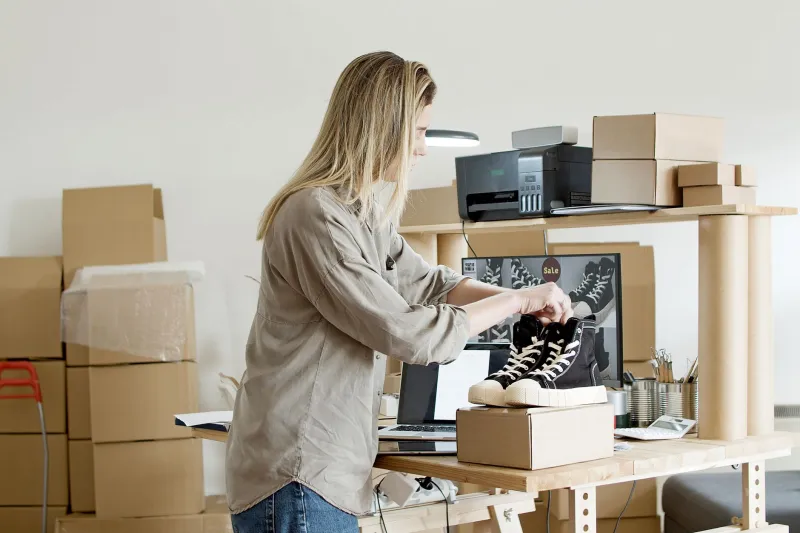
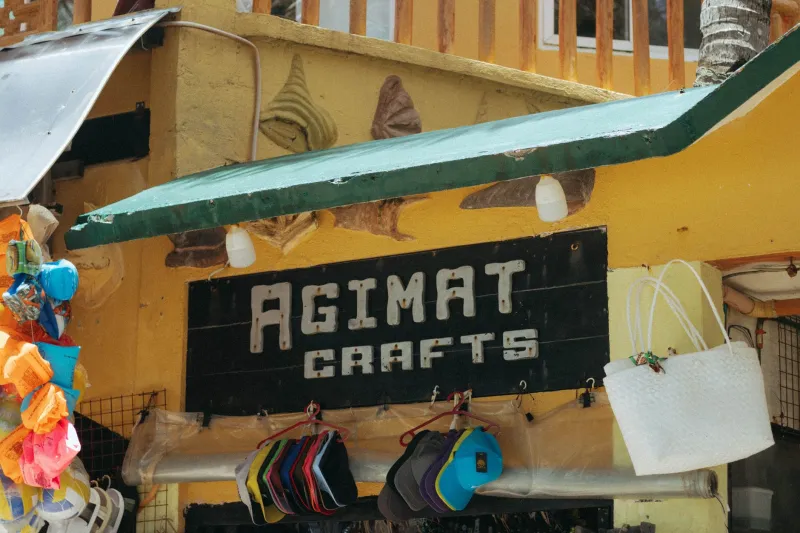
A named seller with a real location. Not a brand, not a shelf tag — a person or family business you could theoretically drive to. The maple syrup comes from someone in Vermont, not 'a trusted partner facility in the Northeast.'
Money that stays in the region. When you buy from a local producer directly, the majority of that money recirculates locally — through wages, suppliers, and taxes. When you buy a 'local' branded product at a big box, most of the margin leaves town immediately.
Accountability you can act on. Buy something great from a regional seller? You can leave a review they'll actually read, reorder directly, and tell a neighbor. Try that with a private-label shelf product.
Seasonality and honest limits. Genuine local sellers run out of things. Their tomatoes show up in July, not February. Ironically, these constraints are proof of authenticity — a supply chain that bends to the season is one that actually starts nearby.
How Buyers Can Spot the Difference
You don't need to be a detective. Ask three questions:
- Who made this, and where exactly? If the answer is a brand name with no location, that's a red flag. If it's a named seller with a town and state attached, you're getting warmer.
- What happens to my money? A marketplace or shop where the seller keeps most of the sale keeps wealth in the community. A shelf tag doesn't tell you the split — marketplaces built around verified sellers usually can.
- Can I find this seller again? Real regional selling builds relationships. If there's no seller to find — no shop, no story, no face — 'local' was just packaging.
Why Curated, Verified Marketplaces Beat the Shelf Tag
This is where we'll be direct: big-box 'local' labels are unverifiable by design. A curated marketplace that verifies seller geography flips that. When a platform confirms where a vendor operates, reviews their listings, and connects buyers directly to the people who made the goods, 'local' becomes a checkable fact instead of a marketing mood.
The promise isn't just geographic — it's structural. Sellers get fairer economics without a corporate buyer dictating terms. Buyers get traceability that a shelf tag can't fake. And the definition of 'local' gets enforced by transparency rather than advertising budgets.
Taking the Word Back
Small sellers can't outspend national ad campaigns, but they can out-truth them. Put your town on your listings. Show your face and your workspace. Say no to vague 'locally inspired' wholesale arrangements that blur where your goods actually come from. And when a platform asks you to verify your location? That's not bureaucracy — that's the mechanism that protects the value of the word you're trading on.
Buyers, hold the line too. Reward sellers who are specific about place. Be skeptical of rustic fonts on products with no origin story. Every purchase made through a verified regional seller is a small vote that 'local' still has to mean something.
The big boxes borrowed the word. Let's take it back — one honest listing at a time.
East Marketplace verifies every seller's geography so buyers know exactly who they're buying from and where it was made. Browse regional sellers near you.