Does Your Product Travel? A Look at Which Regional Goods Cross State Lines
Every seller at some point has the same daydream: the orders rolling in from Seattle, from Austin, from a buyer in Florida who found your shop and fell in love. Sometimes that daydream comes true. Often it doesn't, and the difference usually isn't effort or luck — it's whether the product itself has any reason to leave home.
Here's the honest breakdown, category by category, of what travels and what doesn't.
The Travelers: Products With a National Reputation
Some regional goods are famous everywhere, even among people who've never visited the region. These products sell on name recognition alone.
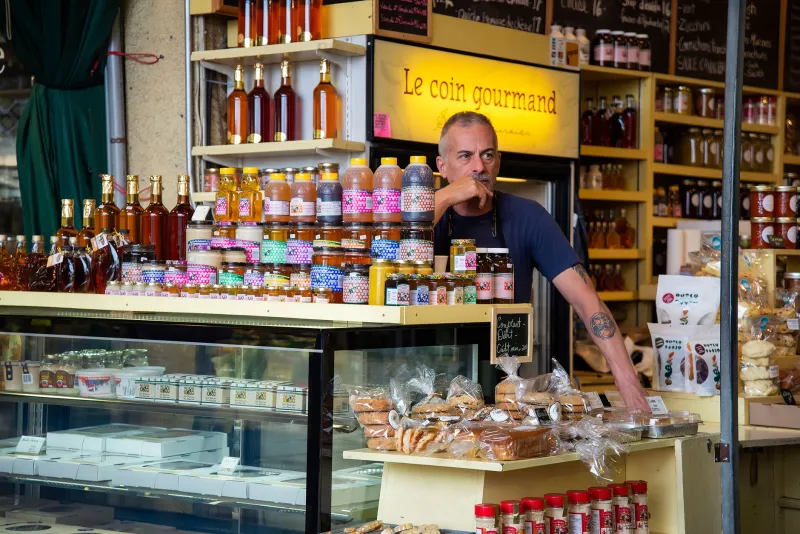
Maple syrup. Real maple syrup from Vermont, New York, or the upper Midwest is a product people in every state know they can't get locally. A buyer in Nevada doesn't need convincing that maple syrup should come from the Northeast — they need to be convinced to buy yours instead of the grocery store's "pancake syrup." That's a marketing problem with a known solution.
Hot sauce and shelf-stable condiments. Americans have turned hot sauce into a collectible. A Louisiana-style sauce from a small Louisiana maker, or a Carolina vinegar punch, carries built-in geographic credibility. Shelf-stable means it ships without drama, which removes the biggest barrier to national sales.
Barbecue sauce, dry rubs, and spice blends. Same logic. Regional identity is the selling point — Texas brisket rub, Memphis dry ribs — and none of it spoils in transit.
Textiles with a signature. A woven throw in the style of a particular weaving tradition, or a quilt pattern tied to a region, sells to buyers who want the story as much as the object.
The common thread: these are consumable or iconic, and they survive a week in a truck.
The Homebodies: Products That Live on Local Loyalty
Then there's the other shelf of the shop.
Ceramics and pottery. A mug is a mug until someone picks it up. Online, that tactile moment is gone, and you're competing with thousands of potters nationally plus every big-box shelf. Ceramics absolutely sell online — but usually to a local or regional buyer who's seen the work in person, at a show, or through a friend. Shipping heavy, fragile goods nationally also eats the margin fast.
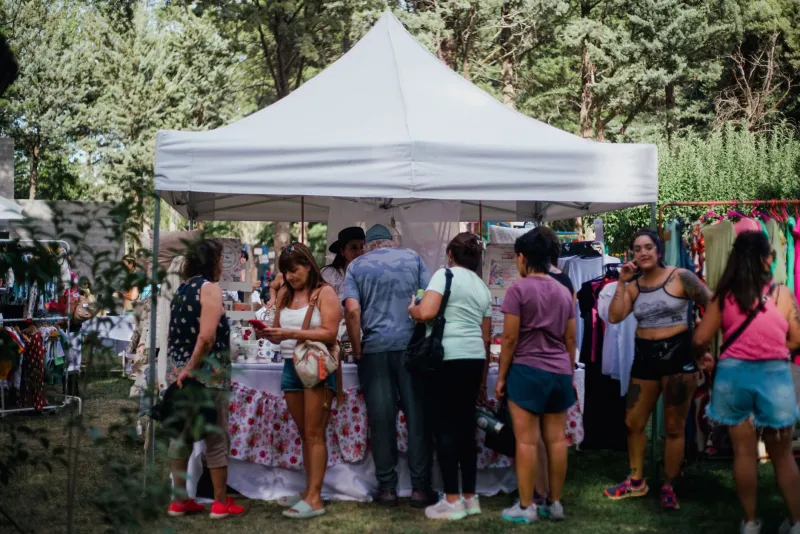
Fresh and perishable food. Soft cheeses, baked goods, anything with a two-week shelf life. These are beloved, and they are almost impossible to sell beyond driving distance without serious logistics. Don't feel bad about it — your Saturday market regulars are a real business.
Region-specific fresh produce items. A peach is only magical within a few hundred miles of the orchard. Ship it and you're shipping disappointment.
Large or heavy handcrafts. Furniture, big planters, anything where freight costs exceed the romance.
How to Figure Out Which One You're Selling
Three questions, in order:
- Does a stranger in another state already know they want this? If the category has national fame (syrup, hot sauce, BBQ), you're a traveler. If you have to explain what it is, you're probably local-first.
- Does it survive the mail? Perishable and fragile are both strikes. One strike can be managed. Two means stay local.
- Can you price it with shipping included and still make money? Do the math on a worst-case cross-country shipment before you decide anything.
Two Strategies, Both Legitimate
If your product travels: list nationally, lean hard into your regional identity in every title and description, and spend your marketing budget on standing out within your famous category — not explaining it.
If your product is local at heart: stop apologizing for it. Double down on the hometown market, in-person events, and local pickup options. A loyal base of four hundred nearby repeat customers is sturdier than four hundred scattered one-time buyers, and it costs almost nothing to maintain.
The expensive mistake isn't choosing wrong. It's spending national-marketing money on a local product, or watching a traveler gather dust because you never listed it beyond the booth. Know which one you've got, then spend accordingly.