Map It or Lose It: Buyers Are Done Trusting 'Locally Made' on Faith
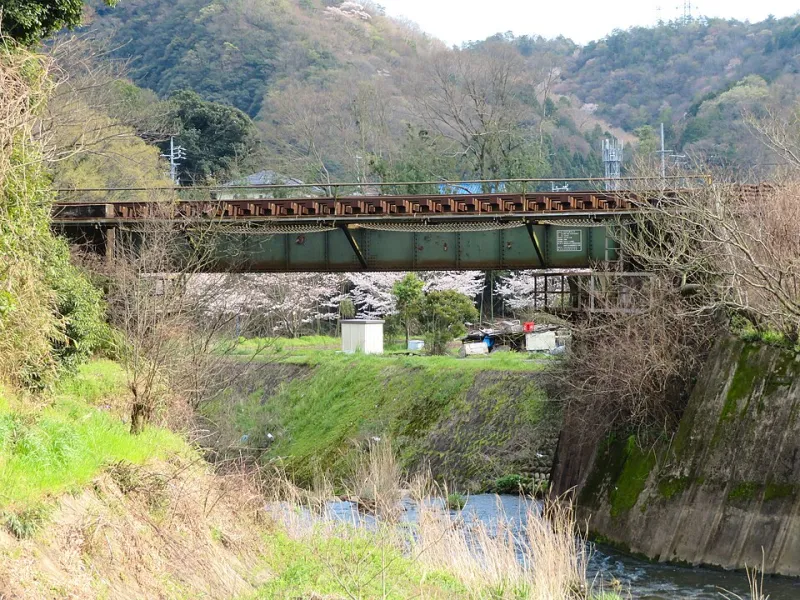
Photo: KKPCW, CC BY-SA 4.0, via Wikimedia Commons
Somewhere along the way, "locally made" stopped being a fact and started being a vibe. Scroll through any craft marketplace, farmers market directory, or boutique shop and you'll see the phrase slapped on everything from soy candles to salsa — often with nothing behind it but a nice sans-serif font and a hope that nobody asks follow-up questions.
Buyers have noticed. And they've stopped taking it on faith.
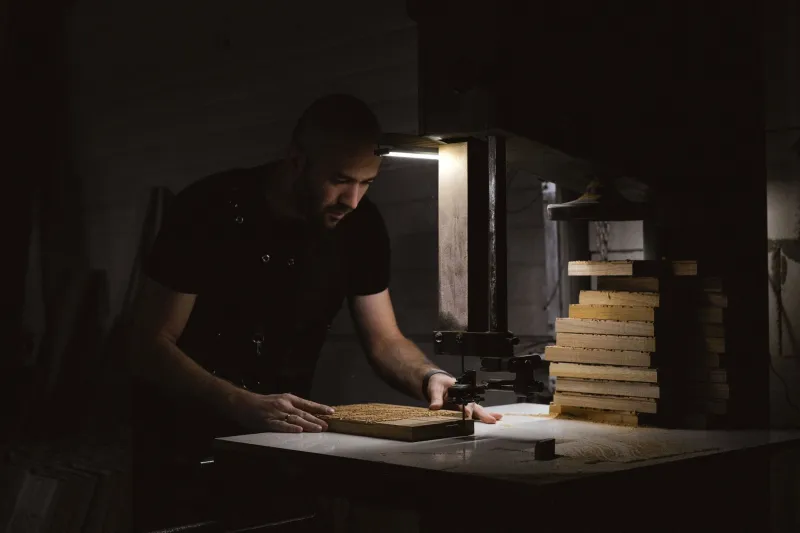
Here's the argument I want to make: the maker's story — the artisan portrait, the workshop-at-dawn photo, the "I started this in my garage" paragraph — has been the default trust device for years. It's not useless. But it's been done to death, and worse, it's easy to fake or embellish. What's much harder to fake is geography. Specific, verifiable, mappable geography.
The Problem With 'Who Made It'
The maker story works when it's true and checkable. But most buyers can't check it. Anyone can claim to hand-pour soap in a Vermont barn. There's no receipt, no address, no way to verify any of it — and after a decade of "local washing" by big brands slapping farm imagery on mass-produced goods, skepticism is the default setting.
So when a buyer asks "who made this?" and gets a warm paragraph, they're not really getting an answer. They're getting a pitch.
The question that actually sorts real regional goods from everything else is simpler and blunter: where is it made? Not "made in the USA." Not "made in New England." Where. Which town. Which farm. Which workshop on which road.
What I'd Call the Neighbor Test
Think of it this way: if a product's origins can't survive being mapped, it probably isn't as local as the label suggests. That's the neighbor test — could you name the actual neighbors involved in getting this thing to market?
A seller who passes it can say something like: "The honey comes from hives outside Lancaster, the beeswax in the balm is rendered two towns over, and we pour everything in our shop in lititz." Every claim has a place attached. A place can be visited. A place can be called. A place leaves records.
A seller who fails the test says "locally sourced ingredients" and leaves it there. Sometimes that's laziness. Sometimes it's something else. Either way, the buyer can't tell the difference — and that ambiguity is exactly what's eroding trust across the whole category.
Publishing the Map Beats Telling the Story
Here's the practical part. If you're a seller on a regional marketplace, you should be listing the geography of your supply chain right on the product page. Not buried in an About section — on the listing, where the purchase decision happens.
A simple format works:
- What it is: Maple syrup, grade A dark
- Where the sap comes from: A 40-acre sugarbush in Bennington County
- Where it's boiled and bottled: The farm's own sugarhouse, fifteen minutes from the trees
- What's outsourced: Nothing. (Or: "Labels printed in Brattleboro.")
That's not a story. That's a verifiable claim, and it reads like one. It also happens to be more persuasive than most maker bios, because it gives the buyer something concrete to picture — an actual landscape, actual roads, actual towns they might have driven through.
Why Geography Builds Repeat Buyers in a Way Personality Doesn't
The maker story builds a one-time emotional connection. Geography builds something more durable: a sense of place the buyer can return to. Someone who buys honey from a named apiary in a named town can go back to that town. They can trust the next harvest from the same hives. They can tell a friend, "It's from this place near Hershey," and the friend knows exactly what that means.
Place is also self-policing. A seller who names their county and their suppliers has staked their reputation on checkable details. That accountability is worth more to a skeptical buyer than any amount of hand-poured storytelling.
And honestly? Most regional sellers already have this information. They know their suppliers by first name. The only failure is not writing it down where buyers can see it.
The Uncomfortable corollary
If you can't publish the geography of your product, ask yourself why. There are legitimate answers — a co-op with rotating suppliers, for instance — and those can be stated plainly too. But "locally made" with no town, no farm, and no workshop attached is starting to look less like marketing and more like a tell.
Buyers in this market have been burned before. Give them a map, not a mood.