The $8 Candle Problem: What Your Handmade Goods Should Actually Cost
Let's talk about the number every seller hates saying out loud.
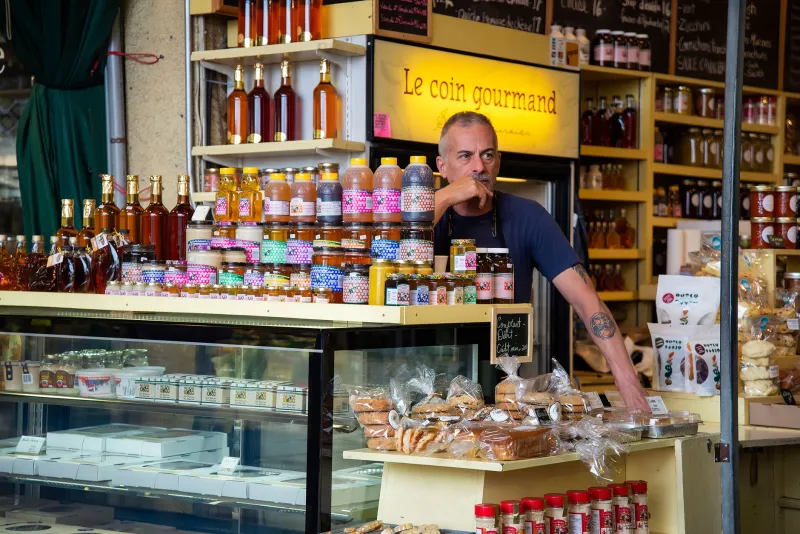
You spent six hours Saturday morning making 24 jars of pickled beets from a recipe your grandmother brought over in 1974. Beets from the farm two miles down the road. Jars you sourced by the case. And when you set them on the table at $11 each, a shopper picks one up, turns it over, and says — and we've all heard this — "The store has these for $4."
The store does not have these for $4. The store has something shaped like these for $4. But the exchange happens in the buyer's head, not yours, and right now the buyer's head has been thoroughly scrambled by a decade of mass-market "artisanal" pricing. It's worth being honest about how we got here.
The 'Artisanal' Inflation Problem
Somewhere in the mid-2010s, every major grocery chain figured out that the word "handcrafted" could justify a 40% markup on products made by machines at industrial scale. Craft-style sodas in twelve-packs. "Small batch" crackers. A certain kind of pickle, sold in a supermarket, in a jar designed to look like it came from a farm stand, produced in a facility that makes more pickles before lunch than you'll make all year.
This did two things, and both hurt actual small sellers.
First, it raised the floor. Buyers now see "artisanal" pricing everywhere, which means your genuinely handmade $11 pickles don't register as a premium — they register as normal. That part, weirdly, helps you.
Second, and this is the damage, it raised expectations of polish without raising anyone's willingness to pay you. Buyers see a $9 jar at Kroger with a glossy label and professional photography and think: that's what handmade costs. Your hand-labeled jar, made by an actual human in an actual kitchen, now has to compete with corporate production budgets at a similar price point. You're being compared to a simulation of yourself.
And yet — most sellers I talk to aren't overpricing. They're underpricing. Massively. Here's the math they skip.
The Framework: Materials, Time, Story
Pricing handmade goods isn't vibes, and it isn't doubling your costs and calling it a day. It's three buckets, honestly added up.
Materials. Not just the obvious ones. The jar, the label, the twine, the shipping box, the packing paper, the gas to the farmers market, the booth fee, the 3% the payment processor takes. Track a full production run and divide. Most sellers underestimate this bucket by 20–30% because they forget the wrap-around costs.
Time. Here's where everybody lies to themselves. Your time is not free, and it is not worth $10 an hour just because you'd do it anyway. Decide on a real hourly rate — the rate you'd need to make this a business instead of an expensive hobby — and count every hour. Setup, cleanup, sourcing, photographing, answering messages. If your product requires skill you spent years developing, your rate should reflect that. Nobody flinches at what a plumber charges per hour.
Story. This is the bucket mass producers cannot touch, and it's the one small sellers feel guilty charging for. You shouldn't. Genuinely regional goods carry something a factory can't replicate: a specific place, a specific person, a specific lineage. A porch sign made by a carpenter in Vermont is not interchangeable with a lookalike dropshipped from a warehouse in Nevada, and it's fine for the price to say so. Story isn't a gimmick — it's the actual product difference, and it deserves a line in the math.
A workable formula: (materials × 2) + (hours × your rate) = your wholesale-worthy price. Then retail is typically that times 2 to 2.5. If that number feels too high to say out loud, the honest response is to find a cheaper process or a more efficient product — not to quietly delete your hourly rate and pretend you worked for free.
But Will Anyone Pay It?
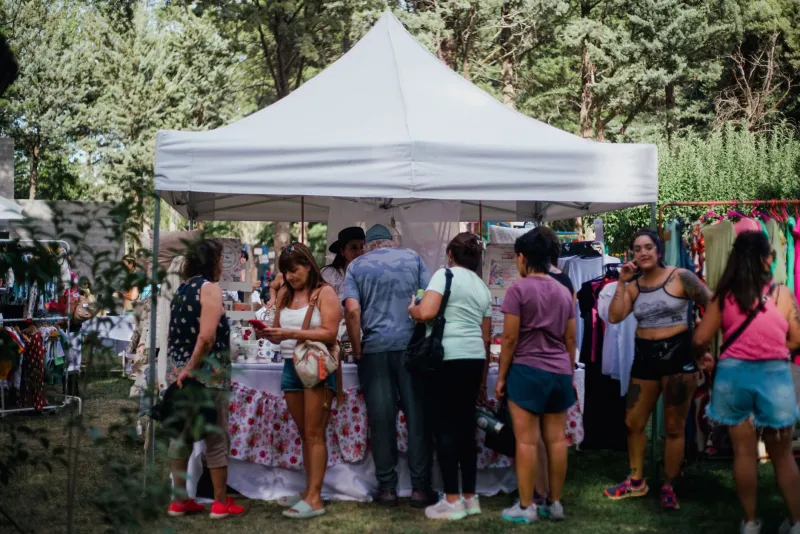
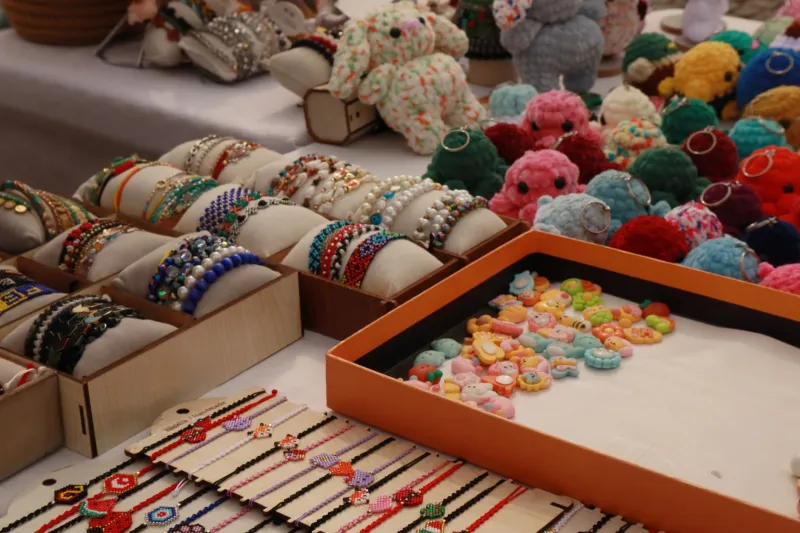
Mostly yes, with a caveat. The buyers who end up on a regional marketplace are not the ones holding your jar up next to the Kroger shelf. They came here specifically because they want the real thing. What they need from you is help seeing why it's real: the close-up photo of the hand-poured wax, the line in the description about where the wood came from, the name of the farm.
What they will not pay for is the opposite — a great product presented like an afterthought. Underpricing and under-presenting usually travel together, and buyers read both the same way: this must not be worth much.
So charge the real number. Explain it plainly — materials, hours, where it's from. You'll lose the shoppers who were never going to buy the real thing anyway. The ones you keep are the ones who were looking for you all along, and they'll come back in March for another candle. At the right price.